March 18, 2026: EU Parliament "up" for the end of cookie banners
19 Mar 2026
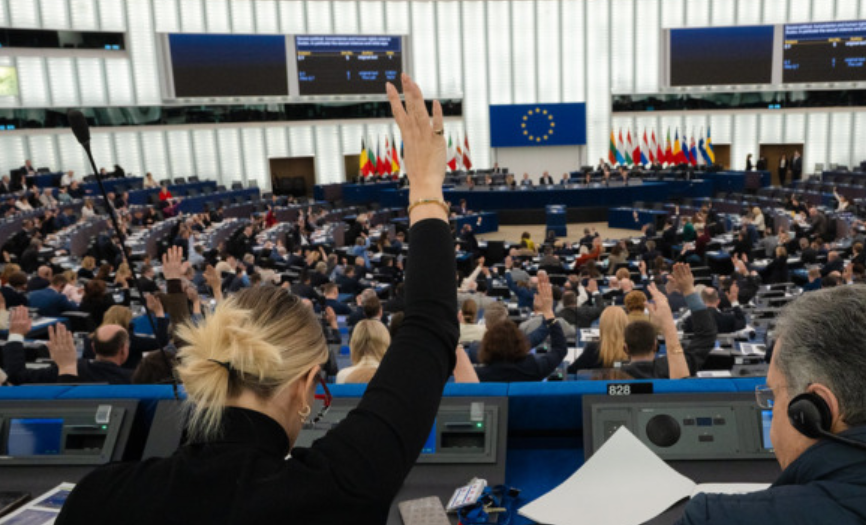
The end of cookie banners (announced by Article88b GDPR from 19 Nov. 2025 EU Commission Omnibus proposal is a Business/Privacy historical infrastructural win-win. And it was just validated "on the principle" by EU Parliament (EP) LIBE Committee -before March 26 Final EP vote.
For years, we have built our compliance on the broken model of asking users the same question on every website, every day. Legitimising "Forced Consent" in fact -because we just wanted to access some content and endured such banners as "the pain" to get at it.
The Omnibus proposes to kill that model. In the Old Model (Article 5(3) ePrivacy), users consented per-site (100+ times/day) and there was no memory across sites (e.g. profiling was ok across the net for commercial purposes but not for data protection ones).
In EU Commission New Model (Article 88b GDPR), supported by EP LIBE Committee, users set preferences ONCE in their browser/agent and their choices follow (Automated transmission to every site). Those are portable, machine-readable (structured so that data browsers can parse) and users control the consent mechanism (via browser settings). See below a high level summary.
This is what ID side proposes (e.g. stacks to automatically read user-centric HTTP headers, JavaScript APIs & consent Strings). So let's prepare for a new world in which the omnibus will be adopted officially on August 1st, and standardisation discussions will kick-off as early as Q3 2026.
For years, we have built our compliance on the broken model of asking users the same question on every website, every day. Legitimising "Forced Consent" in fact -because we just wanted to access some content and endured such banners as "the pain" to get at it.
The Omnibus proposes to kill that model. In the Old Model (Article 5(3) ePrivacy), users consented per-site (100+ times/day) and there was no memory across sites (e.g. profiling was ok across the net for commercial purposes but not for data protection ones).
In EU Commission New Model (Article 88b GDPR), supported by EP LIBE Committee, users set preferences ONCE in their browser/agent and their choices follow (Automated transmission to every site). Those are portable, machine-readable (structured so that data browsers can parse) and users control the consent mechanism (via browser settings). See below a high level summary.
This is what ID side proposes (e.g. stacks to automatically read user-centric HTTP headers, JavaScript APIs & consent Strings). So let's prepare for a new world in which the omnibus will be adopted officially on August 1st, and standardisation discussions will kick-off as early as Q3 2026.